 The Well Nourish
February 16, 2026
Simple Morning Routine for Better Digestion
Save this article for later! And if you find it helpful, save the Pin so you can easily find it again.
Your morning does not need to become a complicated wellness ritual to support comfortable digestion.
If you wake up feeling heavy, bloated, rushed, or simply "off," start with a few small habits you can repeat consistently: give yourself a little time, drink something, move gently, eat at a comfortable pace, and pay attention to your body's signals.
A morning routine cannot diagnose or fix a digestive condition. But daily habits can influence things such as eating speed, hydration, physical activity, and bowel regularity.
Quick Answer: A Simple 10-Minute Morning Routine
- •Wake up and give yourself a few unhurried minutes.
- •Drink water or another non-fizzy drink you normally tolerate.
- •Take a gentle 5-minute walk or do easy movement.
- •Use the bathroom when you feel the urge rather than repeatedly ignoring it.
- •Eat breakfast slowly when you are ready.
You can shorten or rearrange these steps. The routine is meant to be flexible, not another checklist you can "fail."
1. Give Yourself a Few Quiet Minutes
The first few minutes of the day often set the pace for everything that follows.
If you wake up and immediately rush through breakfast, swallow bites quickly, or eat while moving from one task to another, your routine may simply be too rushed.
Try giving yourself 2–3 minutes before breakfast to sit, breathe normally, open the curtains, or make your bed. This is not a claim that a particular breathing exercise "activates" digestion. It is simply a practical way to create a little space before the first meal of the day.
2. Start With a Drink You Tolerate Well
Keeping a glass or bottle of water nearby can make hydration easier to remember.
There is no special morning drink that everyone needs. Plain water is enough for many people. If you prefer tea or another non-fizzy drink, choose something you already know feels comfortable.
Hydration matters particularly when constipation is part of the picture. NIDDK notes that drinking enough liquids helps fiber work better and can help keep stools softer and easier to pass.
You do not need to force a huge amount of water immediately after waking. Drink normally and continue hydrating throughout the day.
3. Add Gentle Movement
You do not need a hard workout at 7 a.m. to make movement part of your morning.
A short walk, gentle stretching, a few mobility exercises, or simply moving around the house can be an easy starting point.
Regular physical activity can help relieve and prevent constipation. The useful part is consistency, not intensity.
Try a Simple Five-Minute Option
- •Walk around your home or outside.
- •Do a few gentle stretches.
- •Put on a song and move while you prepare breakfast.
- •Take a short walk after breakfast if that fits your schedule.
4. Do Not Ignore the Urge to Use the Bathroom
If your body gives you a clear urge to have a bowel movement, try not to make a habit of postponing it because the morning is busy.
NIDDK notes that ignoring the urge to have a bowel movement can contribute to constipation. For people dealing with constipation, clinicians may also recommend a regular bathroom routine; one example is trying 15–45 minutes after breakfast because eating can help the colon move stool.
That does not mean everyone needs to use the bathroom at the same time every morning. Your normal bowel pattern can vary.
The simple habit is: notice the signal, give yourself enough time when possible, and avoid turning the bathroom into another rushed task.
5. Eat Breakfast at a Comfortable Pace
If you eat breakfast, slow down enough to actually sit and eat it.
NIDDK recommends eating more slowly and, when possible, sitting down rather than eating on the run when trying to reduce gas symptoms. Swallowing more air can contribute to gas, so your eating pace can be worth noticing.
This is especially useful if you regularly notice bloating after breakfast.
Try
- •Sit down.
- •Put your phone away for a few minutes.
- •Take smaller bites.
- •Give yourself enough time to finish.
- •Notice whether eating more slowly changes how you feel afterward.
What Should You Eat in the Morning?
A "better digestion" morning does not require a special breakfast.
The best choice depends on what you normally tolerate, your appetite, your schedule, and whether you have a diagnosed digestive condition that requires specific dietary guidance.
Simple options can include:
- •Oatmeal with banana or berries
- •Eggs with toast
- •Plain or lactose-free yogurt with fruit, if tolerated
- •Chia pudding
- •A simple smoothie
- •Rice and eggs if that is a familiar meal for you
If you already know that a particular breakfast repeatedly causes discomfort, keep a simple food-and-symptom note rather than removing lots of foods at once.
Free Guide
Want the Full 14-Day System?
Start with our free 3-Day Bloat Reset — days 1–3 of the 14-Day Gut Reset, straight to your inbox.
We respect your privacy. Unsubscribe at anytime.
A 10-Minute Morning Routine You Can Actually Repeat
If you have more time, extend the walk or make breakfast. If you have less time, keep the two habits that feel most useful.
What to Do If You Wake Up Bloated
If you wake up already feeling bloated, resist the urge to immediately create a long list of foods you must avoid.
Start with the basics:
- •Drink normally rather than forcing a large amount of liquid.
- •Choose gentle movement if it feels comfortable.
- •Give yourself bathroom time if you feel the urge.
- •Keep breakfast simple if eating feels better than a large meal.
- •Eat slowly.
- •Notice what happened the previous day without assuming one food caused everything.
Bloating can have many possible causes, including swallowed air, certain carbohydrates, food intolerances, constipation, and digestive conditions. A morning routine can support healthy habits, but it cannot tell you which cause applies to you.
Before Coffee: Do You Need to Change Your Morning Drink?
Coffee does not need to be automatically labeled "bad for digestion."
Some people tolerate coffee comfortably; others notice symptoms after drinking it. If coffee makes you feel uncomfortable, experiment with the timing, amount, or whether you drink it alongside food. If it does not bother you, there may be no reason to remove it simply because a morning routine says you should.
The same principle applies to tea and other drinks: individual tolerance matters.
A Simple Morning Checklist
- •Wake up without immediately rushing when possible
- •Drink water or your usual comfortable drink
- •Move gently for a few minutes
- •Respond to your body's bathroom signals
- •Eat breakfast slowly if you are hungry
- •Notice patterns instead of changing everything at once
You do not need to complete every box every day. The purpose is to create a small routine you can return to.
How to Make the Routine Stick
A routine works better when it is attached to something you already do.
Try habit stacking:
- •After brushing your teeth → drink water.
- •After getting dressed → walk for five minutes.
- •Before breakfast → sit down and take a moment.
- •After breakfast → give yourself bathroom time if needed.
Keep the first version small. Once the routine feels automatic, you can add another habit if it genuinely helps.
The best routine is not the one with the most steps. It is the one you can repeat without making your mornings harder.
Want a Few Easy Recipes to Get Started?
Get the free 5 Gut-Friendly Recipes guide and keep simple meal ideas handy for your next grocery trip.
When Persistent Digestive Symptoms Need Professional Advice
A morning routine is a lifestyle tool, not a substitute for medical evaluation.
If bloating, constipation, abdominal pain, vomiting, blood in the stool, unexplained weight loss, or major changes in your bowel habits persist or concern you, talk with a healthcare professional.
If you have a diagnosed digestive condition or take medicines that affect digestion, ask your clinician or a registered dietitian before making major dietary changes.
The Bottom Line
You do not need a complicated morning routine to support better digestion.
Start with five simple ideas: slow the pace, drink normally, move gently, listen to bathroom signals, and eat breakfast at a comfortable speed.
Then watch your own patterns.
If you want a structured way to build gut-friendly meals beyond the morning, the next step is not another list of rules. It is a simple plan you can actually follow.
Frequently Asked Questions
Do I need to drink warm lemon water every morning?
No. There is no requirement to use lemon water. Plain water is a perfectly reasonable option if you tolerate it.
Is walking in the morning good for digestion?
Gentle movement is a practical way to add regular physical activity. Regular activity can help with constipation, but a walk should not be presented as a guaranteed treatment for digestive symptoms.
Should I eat breakfast immediately after waking?
Not necessarily. Your appetite and schedule can vary. If you eat breakfast, focus on a comfortable pace and a meal you tolerate.
What is the best morning routine for bloating?
There is no single routine that works for everyone. A simple starting point is hydration, gentle movement, responding to bathroom signals, and eating slowly.
Can coffee cause bloating?
Some people notice digestive symptoms after coffee, while others tolerate it well. Pay attention to your own response rather than assuming you must avoid it.
Keep Exploring

February 2, 2026
7 Foods to Eat When You're Feeling Bloated
No single food fixes bloating, but these seven familiar, easy-to-digest options are worth keeping on hand for a day when your stomach feels full or uncomfortable.
January 19, 2026
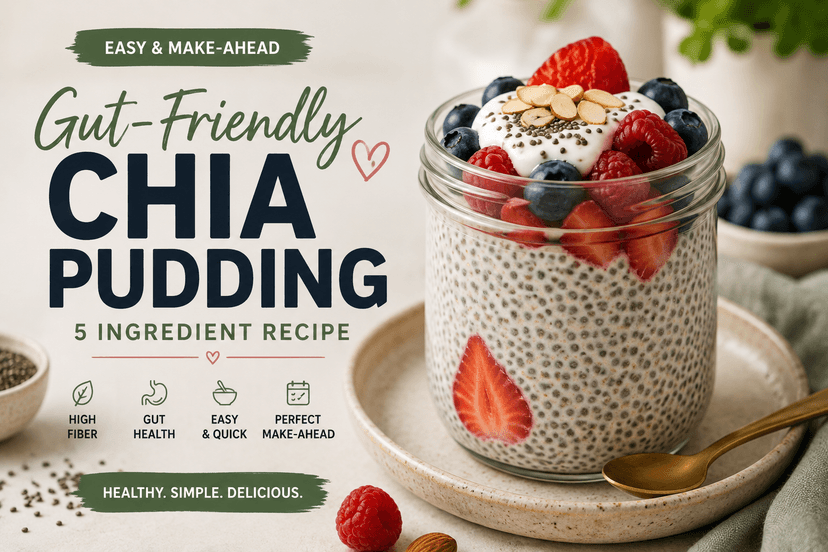
Gut-Friendly Chia Pudding Recipe
Creamy, simple, and easy to prepare ahead — this gut-friendly chia pudding combines chia seeds, Greek yogurt, berries and milk for a nourishing breakfast you can prepare the night before.
Want a Complete 14-Day Plan?
If you would rather follow a structured plan than figure out every meal yourself, the 14-Day Gut Reset brings the meals, grocery list and tracker together in one simple system.
Get the 14-Day Gut Reset