 The Well Nourish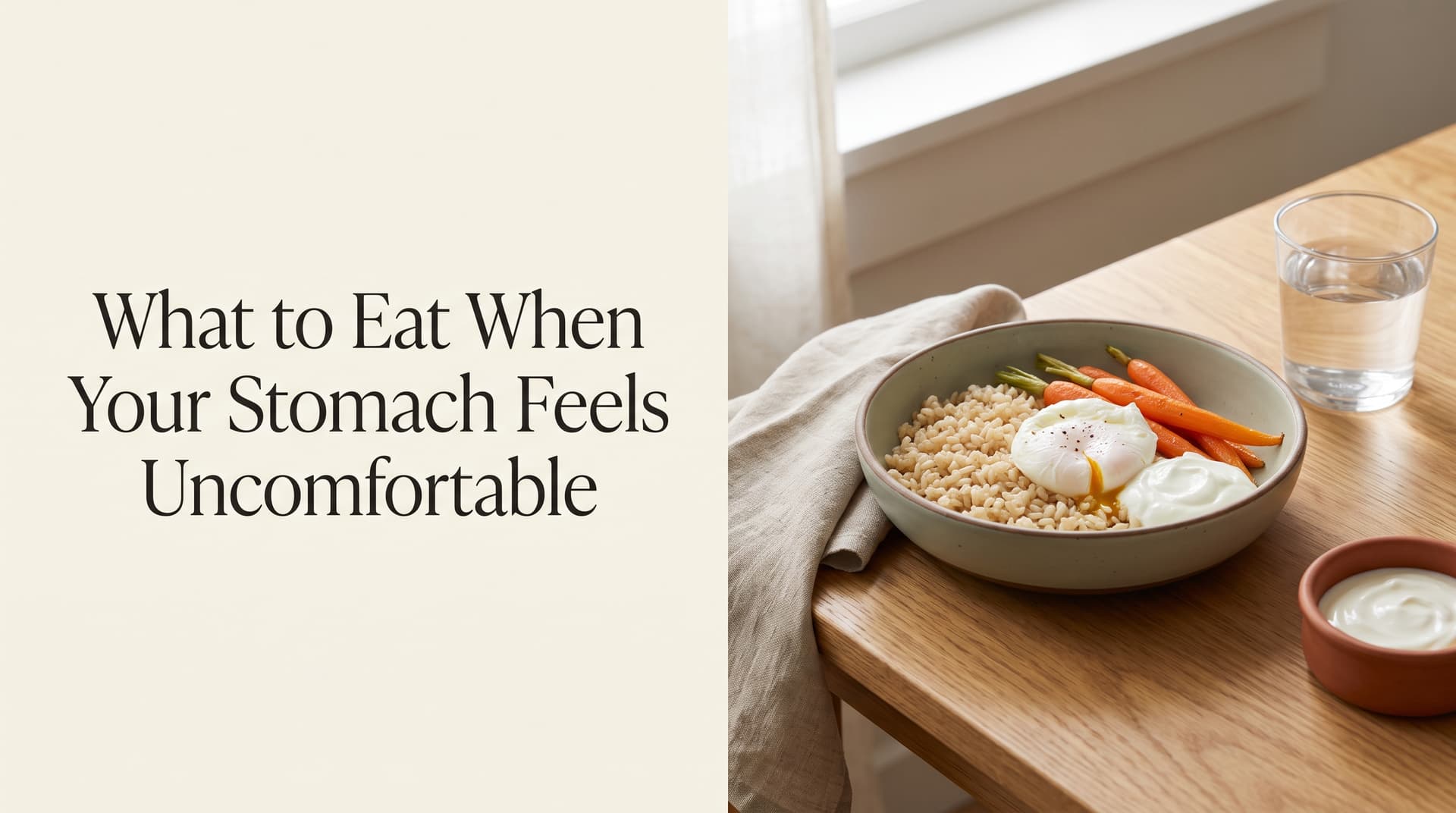
February 9, 2026
What to Eat When Your Stomach Feels Uncomfortable
Save this article for later! And if you find it helpful, save the Pin so you can easily find it again.
When your stomach feels bloated, heavy, unsettled, or just "off," choosing what to eat can become surprisingly difficult. You may want something filling, but you also may not want to make the discomfort worse.
The simplest approach is usually to avoid turning one uncomfortable day into a long list of permanent food rules. Instead, choose familiar foods, keep portions comfortable, eat slowly, and notice what your own body tolerates.
There is no single food that fixes an uncomfortable stomach. Bloating and digestive discomfort can have different causes, including swallowed air, constipation, food intolerances, certain carbohydrates, and digestive conditions.
Quick Answer: 7 Simple Foods and Meals to Try
- •Simple oatmeal with banana
- •Rice, egg, and cooked vegetables
- •Toast with eggs
- •A simple chia pudding
- •Plain or lactose-free yogurt with kiwi, if tolerated
- •A simple smoothie with familiar ingredients
- •A light rice-and-chicken bowl
These are ideas, not a prescription. If one of these foods regularly causes symptoms for you, skip it. "Gut-friendly" is not a universal label.
1. Simple Oatmeal With Banana
Oatmeal can be a practical choice when you want something warm and simple. Oats provide soluble fiber, which can support regular bowel movements, although increasing fiber too quickly can cause gas or bloating in some people.
Try
- •Cooked oats with sliced banana
- •A small amount of cinnamon if you enjoy it
- •Water or a milk you already tolerate
If a large bowl feels too heavy, try a smaller serving. Portion size matters as much as the ingredient list for some people.
2. Rice, Egg, and Cooked Vegetables
A simple rice bowl can be useful when you want a complete meal without a long ingredient list. Start with cooked rice, add an egg for protein, and choose a small serving of cooked vegetables that you already tolerate.
For example:
- •White or brown rice, depending on what you normally eat
- •Scrambled or boiled egg
- •Cooked carrots or zucchini
- •A little olive oil or your usual seasoning
Cooked vegetables may feel easier for some people than a very large raw salad, but this is individual.
3. Toast With Eggs
When your stomach feels off, simple can be useful. Toast with eggs is an easy option when you want something familiar and filling.
Keep it basic:
- •One or two slices of toast
- •Scrambled, boiled, or poached eggs
- •A small side of fruit if tolerated
If you notice that a very large breakfast leaves you uncomfortable, make the portion smaller and see how you feel.
4. Simple Chia Pudding
Chia pudding can be convenient because you can prepare it ahead of time. Chia seeds provide fiber, so they can be part of a fiber-containing eating pattern.
But more fiber is not automatically better on a day when you are already bloated. Increasing fiber quickly can cause gas or bloating in some people.
If you already tolerate chia well, try a modest portion with a familiar base and simple toppings.
- •Chia seeds
- •Milk or a lactose-free alternative you tolerate
- •Banana or kiwi
- •A little cinnamon
If you are new to chia or high-fiber foods, start with a small amount rather than suddenly making a very large bowl.
5. Plain or Lactose-Free Yogurt With Kiwi
Yogurt can be a convenient snack or light breakfast, but dairy tolerance varies. If regular yogurt causes symptoms, a lactose-free option may be worth trying.
Try
- •Plain yogurt, if tolerated
- •Lactose-free yogurt if lactose is a problem for you
- •Sliced kiwi
- •A small amount of oats if you tolerate them
6. A Simple Smoothie With Familiar Ingredients
Smoothies can be convenient, but they can also become complicated quickly. When your stomach feels uncomfortable, a long ingredient list is not necessarily helpful.
Build a simple smoothie from ingredients you already know you tolerate:
- •Banana
- •Kiwi or berries
- •Yogurt or a milk alternative you tolerate
- •Water
- •A small amount of oats if comfortable
Blend until smooth and drink it slowly rather than treating it like something you need to finish quickly. If large smoothies make you feel overly full, reduce the portion or choose a solid meal instead.
Free Guide
Want the Full 14-Day System?
Start with our free 3-Day Bloat Reset — days 1–3 of the 14-Day Gut Reset, straight to your inbox.
We respect your privacy. Unsubscribe at anytime.
7. A Light Rice-and-Chicken Bowl
If you want a more substantial meal, a simple rice-and-chicken bowl can be a practical choice.
For example:
- •Cooked rice
- •Plain grilled or baked chicken
- •Cooked carrots or zucchini
- •A small amount of olive oil
- •Your usual mild herbs or seasoning
The goal is not to create a special "healing" meal. It is simply to make the meal predictable, familiar, and comfortable.
How to Build a Bloat-Friendly Plate
- 1. Start With a Familiar CarbohydrateRice, oats, toast, or another carbohydrate you already tolerate can provide an easy base.
- 2. Add a Comfortable ProteinEggs, chicken, yogurt, or another familiar protein can make the meal more satisfying.
- 3. Choose One Cooked Fruit or VegetableYou do not need a giant serving of vegetables just because you are trying to eat "healthy."
- 4. Keep the Portion ComfortableA huge meal can feel uncomfortable when you are already bloated.
- 5. Keep the Ingredient List SimpleIf you add six new foods at once and feel worse afterward, it becomes difficult to know what contributed.
What to Avoid Doing on an Uncomfortable Stomach Day
You do not automatically need to fast, detox, or remove entire food groups because you feel bloated.
Instead, watch for patterns such as:
- •Very large portions
- •Eating extremely quickly
- •Fizzy drinks
- •Foods you already know trigger symptoms
- •Suddenly increasing fiber
- •Large amounts of sugar alcohols or other ingredients that you personally do not tolerate
- •Skipping meals and then eating a very large meal later
NIDDK notes that gas symptoms can be influenced by swallowed air and by carbohydrates that are not fully digested in the small intestine. A food-and-symptom diary can sometimes help identify personal patterns.
What If Everything Seems to Bother Your Stomach?
If you are repeatedly reaching the point where many foods seem to cause discomfort, it may be tempting to keep removing foods. Try not to keep narrowing your diet without a clear reason.
A food-and-symptom diary can be more useful than guessing. Record what you ate, approximately how much, when symptoms appeared, and what the symptoms felt like.
If symptoms are persistent, severe, or interfering with normal eating, talk with a healthcare professional. A registered dietitian can also help you identify patterns while keeping your diet nutritionally adequate.
A Simple Uncomfortable-Stomach Meal Plan
This is only an example. Swap ingredients based on your normal diet and tolerance.
Want a Few Easy Recipes to Keep on Hand?
Get the free 5 Gut-Friendly Recipes guide for simple meal inspiration you can save for your next grocery trip.
When to Get Medical Advice
Occasional bloating or digestive discomfort can happen for many reasons, but persistent or concerning symptoms deserve professional attention.
Speak with a healthcare professional if symptoms keep returning, are severe, or are affecting your ability to eat normally. Seek prompt medical advice for warning signs such as blood in the stool, unexplained weight loss, persistent vomiting, significant abdominal pain, or major changes in bowel habits.
A food list can be useful for everyday meal planning, but it cannot diagnose the cause of ongoing digestive symptoms.
The Bottom Line
When your stomach feels uncomfortable, you do not need to find a perfect "anti-bloat" food.
Start with what you already tolerate: a simple oatmeal bowl, rice and egg, toast with eggs, a modest chia pudding, yogurt and kiwi, a familiar smoothie, or a simple rice-and-chicken bowl.
Keep portions comfortable, eat slowly, and notice your own patterns.
The goal is not to eat less and less. It is to find a simple way to keep nourishing yourself while you figure out what your body handles well.
Frequently Asked Questions
Should I skip food when my stomach feels uncomfortable?
Not automatically. Some people prefer smaller meals when they feel bloated, while others feel better eating normally. Choose what feels comfortable and avoid forcing a large meal.
Is rice good for a bloated stomach?
Rice can be a simple carbohydrate option for many people, but individual tolerance still matters. It is not a guaranteed treatment for bloating.
Are bananas good when your stomach feels off?
Bananas are a practical food for many people, but there is no universal "best" fruit. Notice how your body responds.
Should I avoid fiber when I am bloated?
Not necessarily. Fiber is important, especially for bowel regularity, but increasing it too quickly can cause gas or bloating in some people. If you are changing your fiber intake, increase it gradually and drink enough fluids.
What should I drink when my stomach feels uncomfortable?
Water is a straightforward choice. If fizzy drinks tend to make you feel worse, choose a non-carbonated drink instead.
Keep Exploring
February 2, 2026
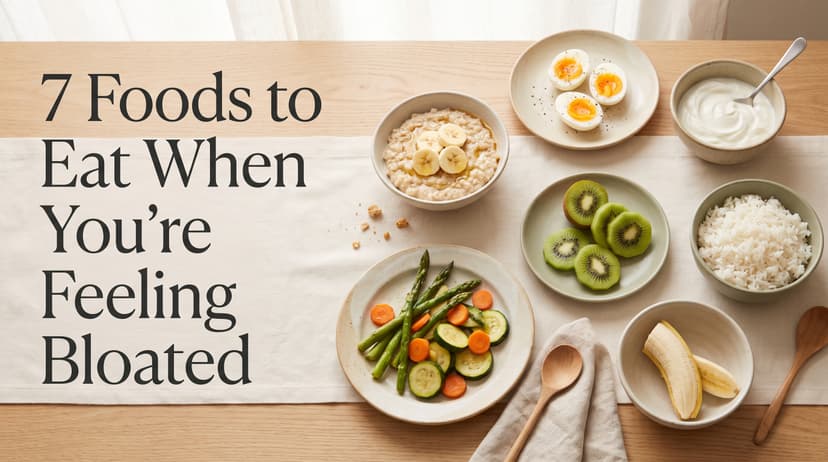
7 Foods to Eat When You're Feeling Bloated
No single food fixes bloating, but these seven familiar, easy-to-digest options are worth keeping on hand for a day when your stomach feels full or uncomfortable.

February 16, 2026
Simple Morning Routine for Better Digestion
A calmer, more repeatable morning routine — hydration, gentle movement, and eating at a comfortable pace — to support digestion without turning mornings into a wellness ritual.
January 19, 2026
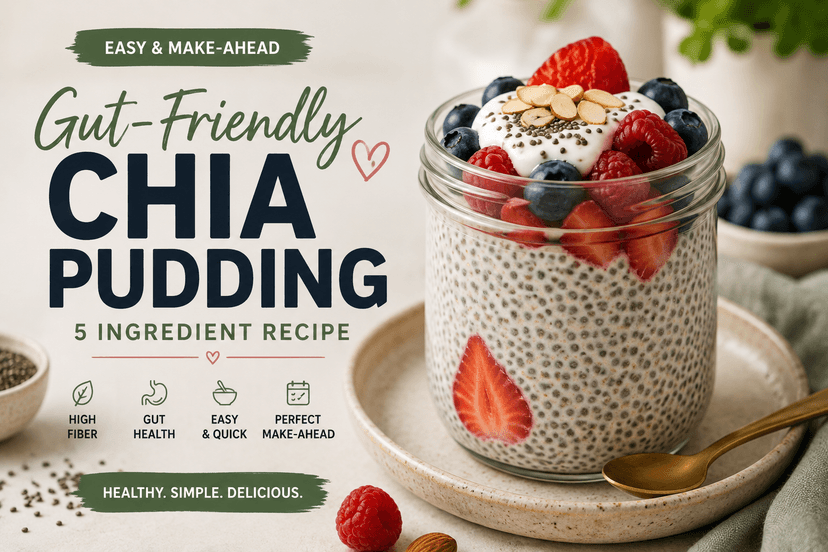
Gut-Friendly Chia Pudding Recipe
Creamy, simple, and easy to prepare ahead — this gut-friendly chia pudding combines chia seeds, Greek yogurt, berries and milk for a nourishing breakfast you can prepare the night before.
Want a Complete 14-Day Plan?
If you would rather follow a structured plan than figure out every meal yourself, the 14-Day Gut Reset brings the meals, grocery list and tracker together in one simple system.
Get the 14-Day Gut Reset